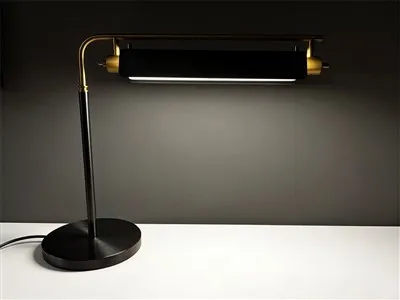
Measuring for a new bedroom chandelier is a crucial step that can significantly impact the overall look and functionality of your space. As a dedicated bedroom chandelier supplier, I'm here to guide you through this process, ensuring you make the right choices for your unique bedroom.
Understanding the Basics
Before you start measuring, it's essential to understand the key factors that influence the size and placement of a bedroom chandelier. These include the dimensions of your bedroom, the height of your ceiling, and the style of the room.
The size of your bedroom plays a vital role in determining the appropriate size of the chandelier. A general rule of thumb is to add the length and width of the room in feet. The resulting number in inches will give you a rough estimate of the ideal diameter of the chandelier. For example, if your bedroom is 12 feet long and 10 feet wide, the combined measurement is 22. So, a chandelier with a diameter of around 22 inches would be a good starting point.
Ceiling height is another critical factor. Standard 8 - foot ceilings require a different approach compared to rooms with high - vaulted ceilings. For an 8 - foot ceiling, a chandelier with a shorter drop (the length from the ceiling to the bottom of the chandelier) is advisable. You don't want the chandelier to hang too low and become a hazard. On the other hand, high ceilings provide more flexibility, allowing for larger and more elaborate chandeliers with longer drops to fill the vertical space.
The style of your bedroom also influences the choice of chandelier. A contemporary bedroom might call for a Modern Decorative Stainless Steel Chandelier with clean lines and a minimalist design. In contrast, a traditional bedroom could benefit from a more ornate and classic chandelier.
Measuring Your Bedroom
Let's start with the measurements. You'll need a tape measure, a pencil, and a piece of paper to record your findings.
Step 1: Measuring the Room Dimensions
Begin by measuring the length and width of your bedroom. Measure from wall to wall at the longest and widest points. Make sure the tape measure is straight and level for accurate results. Write down these measurements in feet.
If your bedroom has an irregular shape, break the room into smaller, regular shapes (such as rectangles or squares), measure each part separately, and then calculate the total area.
Step 2: Measuring the Ceiling Height
Measure the height from the floor to the ceiling at the center of the room. This is important because the placement of the chandelier depends on it. If you have a sloped ceiling, measure the height at several points to get an average or determine the lowest and highest points.
For rooms with fixtures like fans or beams on the ceiling, note their positions and dimensions. You'll need to consider these when determining the placement of the chandelier to avoid any interference.
Step 3: Planning the Placement
Decide where you want to install the chandelier. In most bedrooms, the chandelier is centered over the bed or in the middle of the room. If you're placing it over the bed, measure the length and width of the bed. The chandelier should be proportionate to the size of the bed. A good guideline is for the chandelier to be about two - thirds the width of the bed.
Mark the center of the chosen installation area on the ceiling. You can use a string to find the center point if the area is large. Tie the string at the opposite corners of the area and let the strings cross. The intersection point is the center.
Determining the Chandelier Size
Once you have the room measurements, you can calculate the appropriate size of the chandelier.
Diameter
As mentioned earlier, add the length and width of the room in feet and convert the sum to inches. This gives you a starting point for the diameter of the chandelier. However, you can adjust this based on the style and personal preference. If you want a more dramatic look, you can go slightly larger, but be careful not to overwhelm the space.
Drop
The drop of the chandelier depends on the ceiling height. For an 8 - foot ceiling, a chandelier with a drop of 12 - 18 inches is usually a good choice. This keeps it at a safe height while still providing adequate illumination. For ceilings over 10 feet, you can increase the drop to create a more statement - making effect.
Choosing the Right Chandelier Style
In addition to size, the style of the chandelier is crucial. Consider the color scheme, furniture, and overall decor of your bedroom. A Personalized Creative Glass Bedside Lamp can add a touch of elegance and uniqueness to your bedside area. If you're looking for a more mainstream yet stylish option, a Hot Selling Single - head Glass Chandelier might be the perfect fit.
Think about the lighting effect you want to achieve. Do you prefer bright, focused light or a softer, ambient glow? Some chandeliers come with adjustable bulbs or different lighting settings, allowing you to customize the lighting according to your needs.
Installation and Safety Considerations
Before installation, make sure the electrical box in the ceiling can support the weight of the chandelier. If in doubt, consult a professional electrician. Follow the manufacturer's instructions carefully during installation.
Ensure that the chandelier is installed at a safe height. It should not be within reach of people sitting or standing in the room to prevent accidental bumps or injuries.


Conclusion
Measuring for a new bedroom chandelier is not just about numbers; it's about creating a balanced and harmonious look in your bedroom. By following these steps, you can choose the perfect chandelier that enhances the beauty and functionality of your space.
If you're interested in purchasing a high - quality bedroom chandelier, we're here to assist you. Our team of experts can help you select the ideal chandelier based on your measurements and style preferences. Contact us today to start the procurement process and transform your bedroom into a luxurious and inviting haven.
References
- Interior Design: Principles and Practices, John Wiley & Sons
- Lighting Handbook: Reference and Application, Illuminating Engineering Society