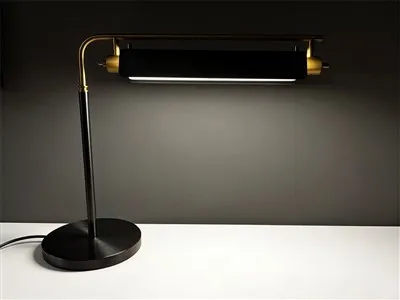
Leaving a bedroom lamp on all night is a common practice for many people, whether it's for security, comfort, or to assist those who are afraid of the dark. As a bedroom lamp supplier, I've encountered numerous customers with questions about the safety of this habit. In this blog, I'll explore the various aspects of leaving a bedroom lamp on all night, from electrical safety to potential health impacts.
Electrical Safety
One of the primary concerns when leaving a lamp on all night is electrical safety. Overheating is a significant risk, especially if the lamp uses an incandescent bulb. Incandescent bulbs convert a large portion of the electrical energy they consume into heat rather than light. This heat can build up over time, potentially causing the lamp's wiring or socket to overheat, which may lead to a fire hazard.
However, modern alternatives such as LED bulbs are much safer in this regard. LED bulbs are highly energy - efficient, converting most of the energy into light and producing very little heat. According to a study by the U.S. Department of Energy, LED bulbs use up to 80% less energy than incandescent bulbs and generate significantly less heat, reducing the risk of overheating and fire.
When choosing a lamp to leave on all night, it's crucial to ensure that it is in good condition. Check the wiring for any signs of fraying or damage, and make sure the lamp is placed on a stable surface away from flammable materials. Our Wooden Table Lights for Bedroom are designed with high - quality wiring and sturdy construction, providing a reliable option for continuous use.
Fire Hazard
In addition to overheating, the risk of fire can also be influenced by the type of lamp and its placement. For example, lamps with loose or faulty switches may pose a greater risk. A switch that doesn't make proper contact can cause arcing, which is a source of heat and can ignite nearby flammable materials.
It's also important to consider the location of the lamp. Placing a lamp too close to curtains, bedding, or other combustible items can increase the risk of fire. Our Adjustable Brightness Smoky Gray Lamp for Nightstand is designed with safety in mind, with a low - profile design that reduces the likelihood of it being knocked over and coming into contact with flammable objects.
Health Impacts
Leaving a lamp on all night can also have an impact on your health. Exposure to light during the night can disrupt your circadian rhythm, which is your body's internal clock that regulates sleep and wake cycles. The human body is designed to produce melatonin, a hormone that promotes sleep, in response to darkness. When there is light present at night, the production of melatonin can be suppressed, leading to difficulty falling asleep and poor sleep quality.
A study published in the Journal of Clinical Endocrinology & Metabolism found that exposure to even low - level light at night can have a significant impact on melatonin production. This disruption can not only affect your sleep but also have long - term consequences for your overall health, including an increased risk of obesity, diabetes, and cardiovascular disease.
However, if you need to have a light on at night, it's advisable to choose a lamp with a warm, dim light. Warm - colored lights, such as those with a color temperature of around 2700K, are less likely to suppress melatonin production compared to bright, cool - colored lights. Our Modern Hotel LED Lights offer adjustable brightness and warm - colored light options, allowing you to create a sleep - friendly environment even when the light is on.
Energy Consumption
Another factor to consider is energy consumption. Leaving a lamp on all night can lead to increased electricity bills, especially if the lamp uses an inefficient bulb. As mentioned earlier, LED bulbs are much more energy - efficient than incandescent bulbs. By switching to LED bulbs, you can significantly reduce your energy consumption and save money in the long run.


For example, a 60 - watt incandescent bulb left on for 8 hours a night would consume approximately 175 kilowatt - hours of electricity per year, while a 10 - watt LED bulb would consume only about 29 kilowatt - hours for the same amount of time. This represents a significant cost savings over time.
Cost - Benefit Analysis
When deciding whether to leave a bedroom lamp on all night, it's important to weigh the costs and benefits. On one hand, having a light on at night can provide a sense of security and comfort, especially for children or those who are afraid of the dark. It can also be useful for navigating the room during the night without having to turn on a bright overhead light.
On the other hand, there are the potential risks of fire and the negative impacts on health and energy consumption. By choosing a safe and energy - efficient lamp, such as the ones we offer, you can minimize these risks while still enjoying the benefits of having a light on at night.
Conclusion
In conclusion, leaving a bedroom lamp on all night can be safe if certain precautions are taken. Choose a lamp with a low - heat - producing bulb, such as an LED, and ensure that it is in good condition and placed away from flammable materials. Consider the potential health impacts and choose a lamp with a warm, dim light to minimize disruption to your sleep.
As a bedroom lamp supplier, we are committed to providing high - quality, safe, and energy - efficient lamps for our customers. If you have any questions or are interested in purchasing our products, we invite you to contact us for a procurement discussion. We look forward to helping you find the perfect lamp for your needs.
References
- U.S. Department of Energy. "LED Lighting."
- Journal of Clinical Endocrinology & Metabolism. "Effect of Light at Night on Human Melatonin Production."