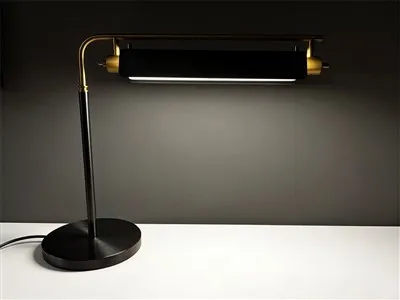
When it comes to illuminating our bedrooms, the choice of lighting can significantly impact both the ambiance and energy consumption. Among the various options available, halogen and LED bedroom lamps are two popular choices. As a dedicated bedroom lamp supplier, I've witnessed firsthand the evolution of lighting technology and understand the importance of making an informed decision. In this blog post, I'll delve into the energy efficiency of halogen and LED bedroom lamps, exploring their pros and cons to help you choose the most suitable option for your needs.
Understanding Halogen Lamps
Halogen lamps have been a staple in lighting for many years. They operate on the same basic principle as traditional incandescent bulbs but with a twist. Inside a halogen lamp, a tungsten filament is enclosed in a small quartz capsule filled with a halogen gas, such as iodine or bromine. As the filament heats up, it emits light, and the halogen gas helps to redeposit the evaporated tungsten back onto the filament, extending the lamp's lifespan compared to incandescent bulbs.
One of the primary advantages of halogen lamps is their warm, natural light. They produce a soft, inviting glow that closely mimics the color temperature of sunlight, making them ideal for creating a cozy and relaxing atmosphere in the bedroom. Halogen lamps also offer excellent color rendering, which means they can accurately reproduce colors, making them a popular choice for tasks such as reading or applying makeup.
However, halogen lamps are not without their drawbacks. One of the most significant issues is their energy efficiency. Halogen lamps convert a large portion of the electrical energy they consume into heat rather than light, making them relatively inefficient compared to other lighting options. In fact, halogen lamps can be up to 90% less efficient than LED lamps, meaning they require significantly more energy to produce the same amount of light.
Another concern with halogen lamps is their heat output. The intense heat generated by halogen lamps can pose a fire hazard if they come into contact with flammable materials, such as curtains or bedding. Additionally, the high heat can cause the lamps to become hot to the touch, increasing the risk of burns.
Exploring LED Lamps
LED, or light-emitting diode, technology has revolutionized the lighting industry in recent years. LED lamps are semiconductor devices that emit light when an electric current passes through them. Unlike halogen lamps, LED lamps do not rely on a heated filament to produce light, which makes them much more energy-efficient.
One of the most significant advantages of LED lamps is their energy efficiency. LED lamps can convert up to 90% of the electrical energy they consume into light, making them significantly more efficient than halogen lamps. This means that LED lamps can produce the same amount of light as halogen lamps using a fraction of the energy, resulting in lower electricity bills and reduced environmental impact.
In addition to their energy efficiency, LED lamps also offer a long lifespan. LED lamps can last up to 25 times longer than halogen lamps, which means they need to be replaced less frequently. This not only saves you money on replacement bulbs but also reduces the amount of waste generated.
LED lamps also offer a wide range of color temperatures and color rendering options. You can choose from warm white light for a cozy and relaxing atmosphere or cool white light for a more energizing and focused environment. LED lamps also have excellent color rendering, which means they can accurately reproduce colors, making them suitable for a variety of tasks.
Another advantage of LED lamps is their low heat output. LED lamps produce very little heat compared to halogen lamps, which makes them safer to use and reduces the risk of fire. Additionally, the low heat output means that LED lamps can be used in enclosed fixtures without the risk of overheating.
Comparing Energy Efficiency
To understand the difference in energy efficiency between halogen and LED bedroom lamps, let's take a closer look at some numbers. A typical 60-watt halogen lamp produces approximately 800 lumens of light, while a 10-watt LED lamp can produce the same amount of light. This means that the LED lamp uses only one-sixth of the energy of the halogen lamp to produce the same amount of light.
Over time, the energy savings can add up significantly. If you use a 60-watt halogen lamp for four hours a day, it will consume approximately 87.6 kilowatt-hours (kWh) of electricity per year. At an average electricity rate of $0.12 per kWh, this will cost you approximately $10.51 per year. In contrast, if you use a 10-watt LED lamp for the same amount of time, it will consume only 14.6 kWh of electricity per year, costing you approximately $1.75 per year. This represents a savings of approximately $8.76 per year, or 83%.
In addition to the energy savings, LED lamps also have a lower environmental impact. The reduced energy consumption means that less electricity needs to be generated, which in turn reduces the amount of greenhouse gas emissions produced by power plants. Additionally, the longer lifespan of LED lamps means that fewer bulbs need to be manufactured and disposed of, further reducing the environmental impact.
Other Considerations
While energy efficiency is an important factor to consider when choosing a bedroom lamp, it's not the only one. Other factors to consider include the light quality, color temperature, color rendering, and cost.
As mentioned earlier, halogen lamps offer a warm, natural light that closely mimics the color temperature of sunlight, making them ideal for creating a cozy and relaxing atmosphere in the bedroom. However, if you prefer a cooler, more energizing light, LED lamps offer a wide range of color temperatures to choose from.
Color rendering is also an important consideration, especially if you use your bedroom lamp for tasks such as reading or applying makeup. Both halogen and LED lamps offer excellent color rendering, but LED lamps may have a slight edge in this area, as they can be designed to produce a more accurate and consistent color spectrum.
Cost is another factor to consider. While LED lamps may have a higher upfront cost than halogen lamps, the long-term energy savings and lower replacement costs can offset the initial investment. Additionally, as the demand for LED lamps continues to grow, the cost of LED lamps is expected to continue to decline.
Conclusion
In conclusion, when it comes to energy efficiency, LED bedroom lamps are the clear winner. LED lamps use significantly less energy than halogen lamps, produce less heat, and have a longer lifespan, making them a more cost-effective and environmentally friendly option. However, the choice between halogen and LED lamps ultimately depends on your personal preferences and needs. If you prefer a warm, natural light and don't mind the higher energy consumption, halogen lamps may be the right choice for you. On the other hand, if you're looking for a more energy-efficient and long-lasting option, LED lamps are the way to go.
As a bedroom lamp supplier, I offer a wide range of Wooden Table Lights for Bedroom, Luxury Table Lamps for Bedroom, and Vintage Crystal Bedside Table Lamp to suit every style and budget. Whether you're looking for a halogen or LED lamp, I can help you find the perfect lighting solution for your bedroom.
If you're interested in learning more about our products or have any questions, please don't hesitate to contact us. We'd be happy to assist you with your lighting needs and help you make an informed decision.


References
- "Halogen Lamps: How They Work and Their Advantages and Disadvantages." Energy.gov.
- "LED Lighting: How It Works and Its Benefits." Energy.gov.
- "Comparing the Energy Efficiency of Halogen and LED Lamps." Lighting Research Center.